


-

Add: HeBei ShengShi HongBang Cellulose Technology CO.,LTD.
-

Email
13180486930@163.com -

CONTACT US
+86 13180486930

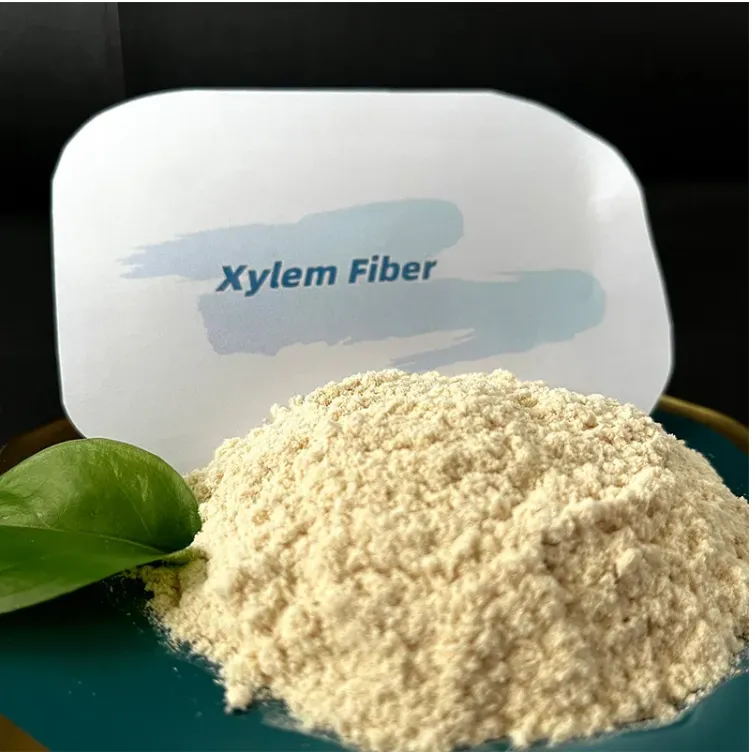
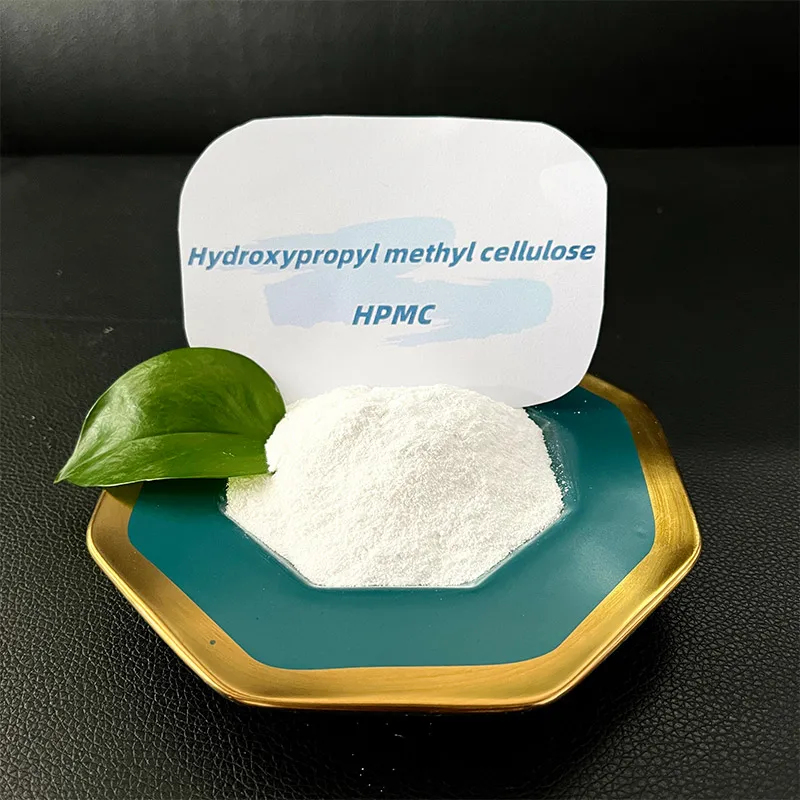



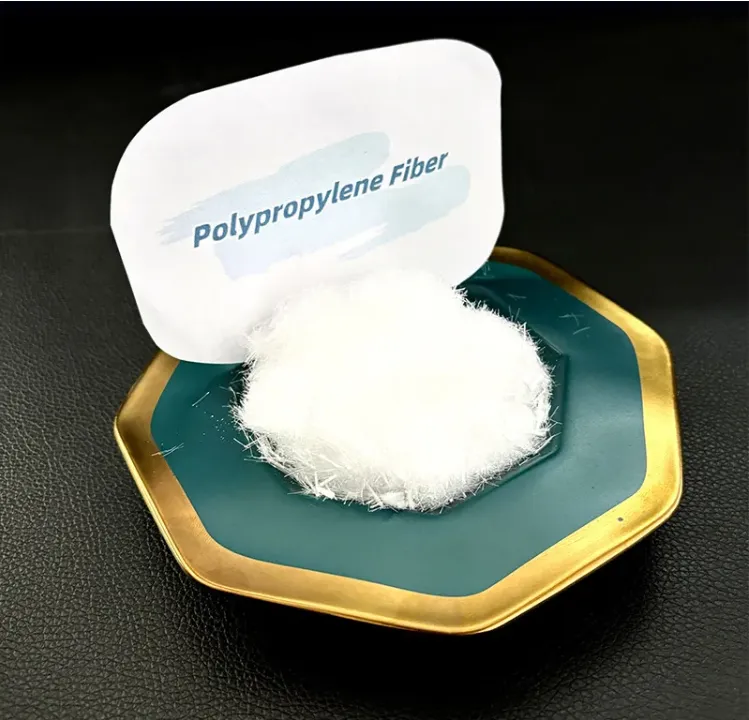
In the world of modern construction, synthetic fibers have revolutionized the way materials are used, enhancing the strength, flexibility, and durability of various building components. The different types of synthetic fibers available today are engineered for specific uses, making them indispensable in many construction projects. These fibers are often used to reinforce concrete, improve the resilience of building structures, and provide additional benefits like increased fire resistance and weather protection. From polypropylene fibers to long glass fibers , synthetic fibers offer a range of options tailored to different needs. Whether it’s increasing the strength of cement or providing insulation properties, the different types of synthetic fibers ensure that construction projects meet high standards of quality and longevity. In addition to their superior performance, synthetic fibers are often more cost-effective and readily available than traditional materials. This makes them a preferred choice for construction companies aiming to reduce costs while maintaining high-quality results. Furthermore, the environmental impact of synthetic fibers is increasingly being addressed with sustainable production methods, making them a more eco-friendly option for the construction industry. Long Glass Fiber Polypropylene: A Key Ingredient for Stronger Materials One of the standout synthetic fibers in the construction industry is long glass fiber polypropylene . This innovative fiber combines the strength of glass with the lightweight, corrosion-resistant properties of polypropylene. As a result, long glass fiber polypropylene is often used to reinforce concrete and other building materials, providing a significant boost in durability and performance. The inclusion of long glass fiber polypropylene in construction materials helps reduce cracking and improve the structural integrity of buildings and roads. The long fibers create a matrix that distributes stresses evenly across the material, preventing localized damage. This fiber is particularly useful in high-strength concrete applications where additional reinforcement is needed. Moreover, long glass fiber polypropylene is highly resistant to environmental factors like moisture, UV radiation, and temperature changes, making it ideal for both indoor and outdoor construction projects. It is commonly used in applications like paving, drainage systems, and even in the production of prefabricated building components. Its versatility and effectiveness in improving the lifespan and reliability of building materials make it a go-to solution for modern construction needs. Fibre Natural and Synthetic: A Comparison of Strength and Sustainability When choosing materials for construction, understanding the difference between fibre natural and synthetic options is crucial. While natural fibers such as jute, hemp, and cotton have been traditionally used in construction, synthetic fibers like polypropylene, polyester, and nylon have emerged as more durable and cost-effective alternatives. Fibre natural and synthetic materials each have their own advantages, making them suitable for different types of applications. Natural fibers are renewable, biodegradable, and often produced using more sustainable methods, making them a more eco-friendly option. However, they may not offer the same level of strength or resistance to environmental factors as synthetic fibers. On the other hand, synthetic fibers are engineered for durability, offering superior resistance to moisture, heat, and wear. They are often used to enhance the properties of natural materials, making them more suitable for demanding construction environments. For example, natural fibers like hemp may be used in insulation or as a reinforcement material in low-stress applications, while synthetic fibers like polypropylene or polyester are used for high-strength reinforcement in concrete, roofing, and other critical structures. By combining the best of both fibre natural and synthetic materials, construction companies can achieve optimal performance and sustainability. Non-Woven Polypropylene Fiber: A Revolutionary Material in Construction Non woven polypropylene fiber is another essential material that is increasingly being used in the construction industry. Unlike traditional woven fabrics, non woven polypropylene fiber is made from a process that bonds fibers together without weaving or knitting, resulting in a highly versatile material with excellent durability and moisture resistance. This fiber is widely used in applications like drainage systems, geotextiles, and road construction. Non woven polypropylene fiber provides a lightweight yet strong solution for reinforcing construction materials. It is often used in soil stabilization, as it helps prevent erosion and improves the strength of the ground underneath roads, bridges, and buildings. The material's ability to resist moisture also makes it ideal for protecting against corrosion and extending the lifespan of infrastructure. Additionally, non woven polypropylene fiber is environmentally friendly, as it is made from recyclable polypropylene, a material that can be repurposed for various other uses. Its cost-effectiveness, combined with its high-performance qualities, makes it a popular choice for contractors seeking durable and sustainable solutions for their construction projects. S ynthetic F ibers FAQs What are the different types of synthetic fibers used in construction? Synthetic fibers used in construction include polypropylene, polyester, nylon, and glass fibers. Each type is engineered for specific applications, such as reinforcing concrete, improving durability, and providing insulation. What is long glass fiber polypropylene, and why is it important in construction? Long glass fiber polypropylene is a fiber that combines the strength of glass with the lightweight, corrosion-resistant properties of polypropylene. It is essential in construction for reinforcing concrete, improving structural integrity, and preventing cracking. What are the benefits of using natural fibers in construction? Natural fibers , like hemp or jute, offer benefits such as renewability, biodegradability, and sustainability. They are commonly used for insulation and low-stress reinforcement, but may not be as durable or resistant to environmental factors as synthetic fibers. How does non-woven polypropylene fiber differ from woven fabrics? Unlike woven fabrics, non-woven polypropylene fiber is made through a bonding process that does not involve weaving or knitting. This results in a highly durable and moisture-resistant material, commonly used in geotextiles, drainage systems, and soil stabilization. Are synthetic fibers environmentally friendly? While synthetic fibers are often made from petroleum-based products, many are now produced using more sustainable methods. Additionally, materials like non woven polypropylene fiber are recyclable, making them a more environmentally friendly choice in construction. As construction needs evolve, synthetic fibers like long glass fiber polypropylene and non woven polypropylene fiber continue to play a crucial role in enhancing the strength, durability, and sustainability of building materials. If you're in the construction business, investing in these cutting-edge fibers will improve the performance of your projects and contribute to more eco-friendly practices. Visit our website today to explore our wide range of high-quality synthetic fibers and learn how they can transform your construction projects!
- 40000tons

Production
- 20+years

Experience
- 5000+㎡

Acreage

-
يمكن أن يتساءل الكثيرون حول فعالية وقوة استخدام الغراء HPMC في مجالات البناء والتشييد. هذا المنتج ليس مجرد مادة لاصقة تقليدية؛ بل هو ابتكار حديث في عالم المواد اللاصقة، يرتكز على تجربة استخدام تتسم بالإبداع والجودة العالية. تجربة استخدام HPMC adhesive تعتمد بشكل كبير على تقديم حلول مبتكرة ومستدامة للمهندسين والمعماريين. إن استخدام الغراء HPMC يعزز من متانة البناء، حيث إنه يتميز بخصائص تجعله خيارًا مثاليًا للمشاريع التي تتطلب دقة في الأداء واستمرارية في الجودة. الأشخاص الذين عملوا مع HPMC adhesive وجدوا أنه يمتلك قدرة فائقة على التحمل في مختلف الظروف البيئية، مما يجعله مناسبًا لمجموعة واسعة من التطبيقات سواء في الأجواء الرطبة أو الجافة. الخبرة في العمل مع HPMC تتطلب فهمًا عميقًا لتركيبته الكيميائية التي تعتمد على السليلوز، المعروف بكونه مادة طبيعية بيولوجية تمامًا. هذه التركيبة تجعل من الغراء HPMC مادة صديقة للبيئة، حيث أنها لا تحتوي على أي مكونات سامة . بفضل هذه الخصائص، يتميز الغراء بقدرته على الربط الفعال للمواد المختلفة مثل البلاط، والرخام، وحتى الزجاج، دون ترك أي آثار ضارة على البيئة أو على صحة الإنسان. HPMC اللاصق من الناحية المهنية، لا شك أن HPMC adhesive يُنظر إليه كمادة رائدة بالمجال بسبب قدرته على تقليل الهوامش الخطأ أثناء الإنشاءات. المهندسون العرب الذين جربوا هذه المادة أكدوا على سهولة استخدامها وفعاليتها في الخلط مع مواد البناء الأخرى لخلق قوام متجانس يزيد من كفاءة العمل ويقلل من الوقت المستغرق لإنجاز المشاريع الكبيرة. أما بالنسبة للموثوقية، فإن منتجات HPMC تصدر دومًا عن شركات معترف بها في مجال البناء، حيث تخضع لاختبارات صارمة للتأكد من أنها تلبي أعلى معايير الجودة العالمية. يشيد المهنيون في هذا المجال بالدعم الفني الذي توفره الشركات المصنعة، والذي يتضمن إرشادات مفصلة وتوجيهات حول كيفية تحقيق أقصى استفادة من الغراء HPMC في المشاريع المختلفة. في الختام، يمثل غراء HPMC adhesive حقبة جديدة في عالم البناء، جامعاً بين الكفاءة والجودة، والتوافق البيئي. إن موثوقيته المهنية ومزاياه المتعددة جعلته المنتج الأكثر رواجًا بين المختصين في القطاعات الإنشائية، مما يعزز من موقعه كخيار أول لمن يسعون لإيجاد حلول لاصقة تعتمد على التكنولوجيا المتقدمة والابتكار. إذا كنت تبحث عن مادة لاصقة تجمع بين الخبرة المتقدمة والثقة المهنية في آن واحد، فإن HPMC adhesive هو بالتأكيد الخيار الذي يجب أن تفكر فيه.
-

The Versatile Uses of Hydroxypropyl Methylcellulose Hydroxypropyl methylcellulose (HPMC) is a synthetic polymer derived from cellulose, a natural polymer found in the cell walls of plants. As a non-ionic, water-soluble substance, HPMC exhibits a range of properties that make it valuable across various industries, including pharmaceuticals, food, construction, and cosmetics . This article explores the diverse uses of hydroxypropyl methylcellulose and its significance in modern applications. Pharmaceutical Applications In the pharmaceutical industry, HPMC is primarily used as a thickening agent, binder, and film-forming agent in tablet formulations. Its ability to form gels when mixed with water makes it ideal for creating controlled-release drug formulations. This property is particularly beneficial for medications that require a gradual release of active ingredients over an extended period, enhancing therapeutic effects while minimizing side effects. HPMC is also widely used in ophthalmic preparations. Eye drops, gels, and ointments formulated with HPMC provide moisture retention and lubricating effects, which are essential for treating dry eye conditions and ensuring comfort in contact lens wearers. Additionally, HPMC assists in stabilizing emulsions and suspensions, ensuring consistent dosage delivery. Food Industry Applications The food industry reaps the benefits of HPMC for its thickening, emulsifying, and gelling properties. It is commonly used in low-fat and gluten-free products as a fat replacer and to improve texture and mouthfeel. HPMC enhances the consistency of sauces, dressings, and gravies, providing a desirable viscosity without adding extra calories. Moreover, it acts as a stabilizer in various food products, helping to maintain emulsions, thereby improving shelf life and product stability. In the realm of baking, HPMC is utilized as a gluten substitute, allowing manufacturers to create gluten-free baked goods that retain a similar texture to their gluten-containing counterparts. This is particularly important for individuals with celiac disease or gluten sensitivities, offering them safe and enjoyable food options. uses of hydroxypropyl methylcellulose Construction Industry Applications In construction, HPMC is an essential additive in cementitious materials, such as mortar and plaster, improving workability and reducing water usage. Its adhesive properties enhance the bonding of materials, making it an excellent choice for tiling adhesives and joint compounds. Furthermore, HPMC helps to improve the open time of these products, allowing for more precise application and adjustment during construction processes. As a water-retaining agent, HPMC contributes to the prevention of cracking and shrinkage in concrete. This is especially vital in hot and windy conditions, where rapid evaporation of water can compromise the integrity of concrete structures. By ensuring optimal moisture retention, HPMC promotes stronger and more durable construction materials. Cosmetic Applications In the cosmetics industry, HPMC serves as a thickening agent and stabilizer in various formulations, including lotions, creams, and gels. Its ability to retain moisture makes it a popular choice for skin care products, promoting hydration and improving the overall texture of the product. HPMC is also used in hair care products, where it functions as a conditioning agent, enhancing the manageability and shine of hair. Additionally, HPMC's film-forming properties make it suitable for use in color cosmetics, such as foundations and mascaras, helping to create a smooth, even application. Its non-ionic nature also reduces the risk of skin irritation, making it a safe option for sensitive skin types. Conclusion The versatility of hydroxypropyl methylcellulose makes it a valuable ingredient across multiple industries. From its critical role in pharmaceuticals and food products to its applications in construction and cosmetics, HPMC demonstrates a unique ability to enhance product performance and consumer satisfaction. As research continues to explore new applications and formulations, HPMC's significance in industrial and everyday products is likely to grow, underscoring the importance of this multifunctional polymer in modern society.
advantages
-

200000 Viscosities
Excellent product
We can produce pure products up to 200,000 viscosities
-

40000 tons
High yield
We don’t stop production all year round, and the annual output can reach 40,000 tons
-

24 hours
Quality service
We provide 24-hours online reception service, welcome to consult at any time
———— Inquiry Form
Schedule A services


-
 nylon_synthetic_material
Oct . 25, 2025
The Role of Manufacturers in the Production of PP Fiber Polypropylene (PP) fiber has gained signific -
 pp_concrete
Oct . 25, 2025
When it comes to versatile materials in various industries, HPMC Hydroxypropyl Methylcellulose stand -
 hemp_polypropylene
Oct . 25, 2025
Choosing the right shampoo is essential for maintaining healthy hair and scalp. One emerging option


